Navigating International Trade Services in UAE: An Expert Guide
In recent years, the United Arab Emirates (UAE) has emerged as a pivotal hub for international trade. With its strategic location bridging the East and West, the UAE offers a wealth of opportunities for businesses looking to expand globally. Navigating the international trade services in this dynamic region, however, requires insight and expertise.
Understanding the nuances of trade regulations, logistics, and market trends can be challenging. This guide aims to provide you with expert insights into effectively managing your trade operations in the UAE, ensuring success in this vibrant marketplace.

Understanding Trade Regulations
The UAE's trade regulations are designed to facilitate smooth business operations while ensuring compliance with international standards. Key to this is understanding the different free trade zones, which offer attractive incentives like tax exemptions and full foreign ownership. Businesses should familiarize themselves with the specific regulations that apply to their industry and location within the UAE.
Additionally, import and export procedures can vary significantly depending on the type of goods and their origin. Engaging with local trade experts or consultants can be invaluable in navigating these intricate processes efficiently and legally.
Key Free Trade Zones
Some of the most prominent free trade zones include Jebel Ali Free Zone, Dubai Multi Commodities Centre, and Abu Dhabi Global Market. Each zone has its unique benefits, tailored to specific industries such as logistics, finance, and technology.

Logistics and Supply Chain Management
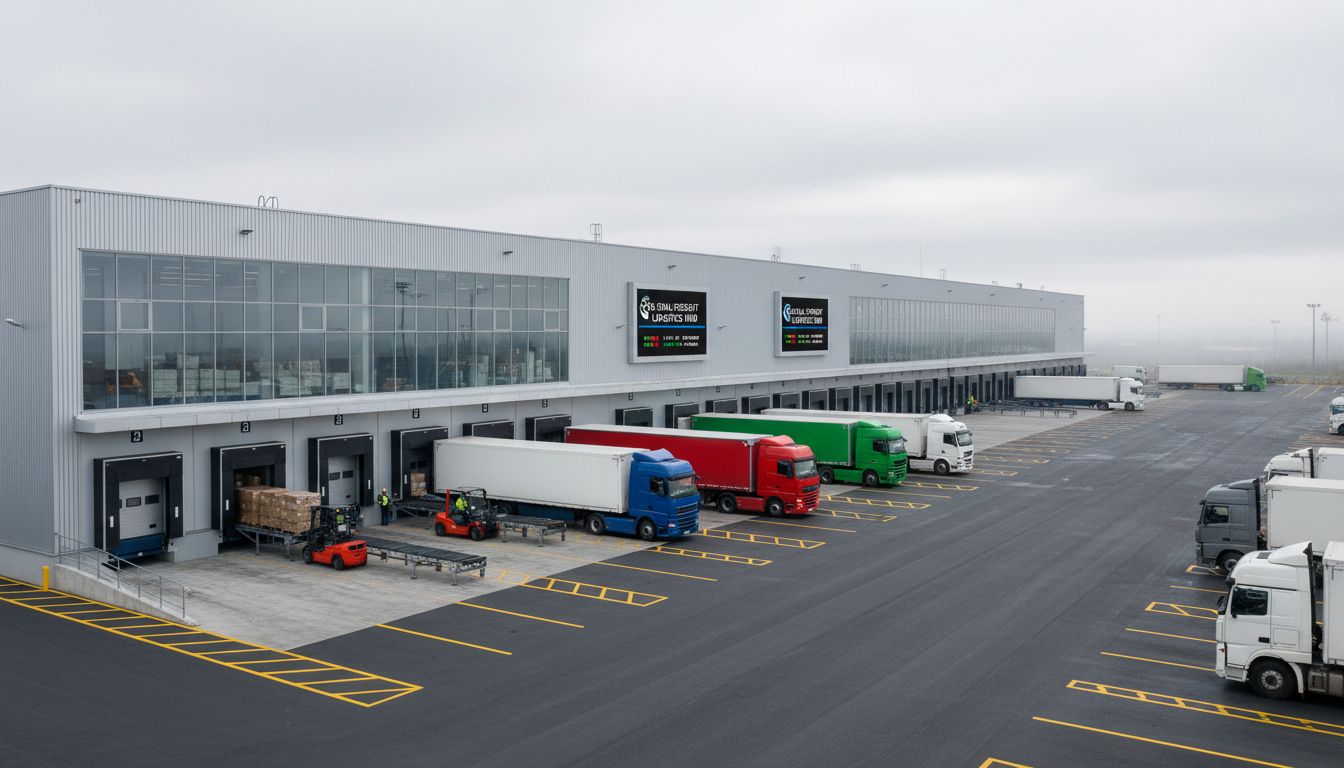
The UAE's advanced infrastructure supports a seamless supply chain, making it an ideal location for international trade. The country boasts state-of-the-art ports and airports, which are among the busiest in the world, ensuring efficient movement of goods.
Efficient logistics management involves selecting reliable partners who understand the local landscape. Leveraging technology and digital solutions can further enhance supply chain efficiency, reducing delays and costs.
Choosing the Right Logistics Partner
When selecting a logistics partner, consider factors such as their track record, expertise in handling specific types of cargo, and their ability to navigate customs procedures. Building strong relationships with trusted logistics providers can significantly streamline your operations.
Market Trends and Opportunities
Staying updated on market trends is crucial for capitalizing on emerging opportunities in the UAE. The region is seeing significant growth in sectors such as e-commerce, renewable energy, and technology. Businesses that can adapt to these trends are well-positioned to thrive.
Regularly attending industry events and networking with local business leaders can provide valuable insights and open doors to new partnerships. The UAE's proactive approach to innovation and investment in future technologies makes it an exciting market for forward-thinking enterprises.
Adapting to Evolving Markets
Flexibility and adaptability are essential for success. As market dynamics shift, businesses must be ready to pivot their strategies to align with new demands and consumer behaviors. This agility can be a significant competitive advantage in the fast-paced UAE market.

In conclusion, navigating international trade services in the UAE requires a strategic approach that encompasses understanding regulations, optimizing logistics, and staying ahead of market trends. By leveraging local expertise and building strong partnerships, businesses can unlock the full potential of the UAE's vibrant trade environment.