Expert Insights: Future Trends in UAE's International Trade Services
Emerging Technologies and Digital Transformation
The UAE's international trade sector is on the brink of a major transformation, driven by emerging technologies and digital advancements. As the nation continues to invest in smart infrastructure, technologies such as blockchain, artificial intelligence (AI), and the Internet of Things (IoT) are expected to play a significant role in trade facilitation. These innovations promise to enhance efficiency, transparency, and security in trade operations.
Blockchain, for example, is set to revolutionize the way trade documentation is handled, reducing fraud and streamlining processes. AI can be leveraged to predict market trends and optimize supply chain management, while IoT devices enable real-time tracking of goods.

Sustainability and Green Trade Initiatives
As global awareness of environmental issues grows, the UAE is aligning its trade policies with sustainability goals. Efforts are underway to promote green trade initiatives, encouraging businesses to adopt eco-friendly practices. The focus on sustainability is expected to drive changes in logistics, with a shift towards renewable energy sources and sustainable packaging solutions.
The UAE's strategic location as a trade hub presents an opportunity to lead by example in promoting environmentally responsible trade practices. This commitment not only enhances the country's global reputation but also attracts environmentally conscious partners.

Trade Relations and Global Partnerships
The UAE continues to strengthen its international trade relations by forging strategic partnerships with key global players. Recent agreements with countries in Asia, Europe, and Africa underscore the UAE's commitment to expanding its trade network. These partnerships are not only beneficial for economic growth but also enhance geopolitical ties.
By diversifying its trade partners, the UAE is better positioned to navigate global economic fluctuations. The focus on building resilient trade relationships ensures that the country remains a pivotal player in the international market.

Regulatory Changes and Compliance
To keep pace with the evolving trade landscape, the UAE is implementing regulatory changes aimed at simplifying trade procedures and enhancing compliance. These reforms are designed to streamline customs processes, reduce bureaucracy, and facilitate smoother cross-border transactions.
Businesses operating in the UAE must stay informed about these regulatory updates to ensure compliance and leverage new opportunities. The government's proactive approach in creating a business-friendly environment is a significant factor in attracting international trade partners.
Logistics and Infrastructure Development
The UAE's investment in logistics and infrastructure is a cornerstone of its trade strategy. The development of ports, airports, and free zones is crucial for accommodating the increasing volume of international trade. These infrastructure projects are designed to enhance connectivity and reduce transit times.
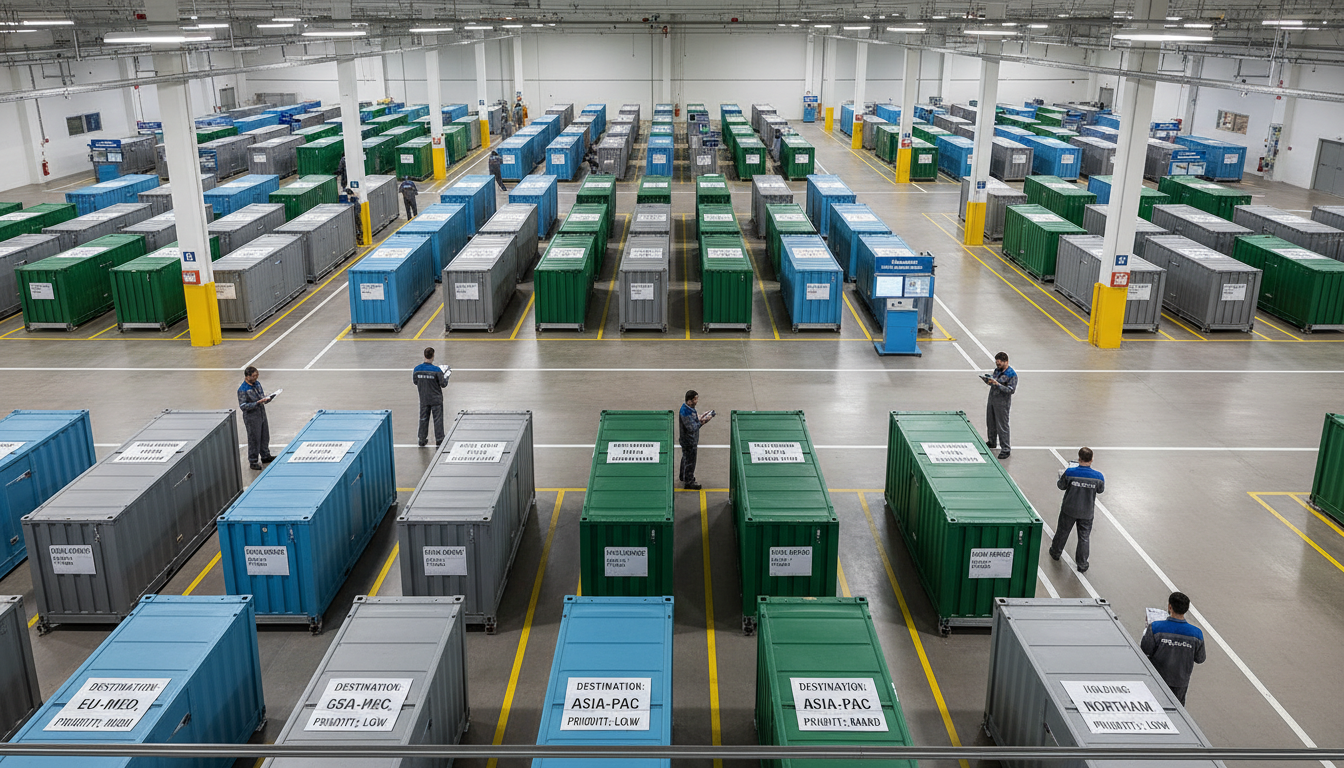
Advanced logistics solutions, including state-of-the-art warehousing and distribution centers, further support the efficient movement of goods. The continued focus on infrastructure development positions the UAE as a leading logistics hub globally.
Future Outlook and Opportunities
Looking ahead, the future of the UAE's international trade services is bright, with numerous opportunities on the horizon. The integration of cutting-edge technologies, commitment to sustainability, and strategic global partnerships are key drivers of this growth. Businesses that embrace these trends will likely thrive in the evolving trade landscape.
The UAE's proactive approach to trade innovation ensures that it remains at the forefront of global commerce, offering a dynamic environment for international trade services to flourish.